
Sri Lanka Ramayana Trail: Sacred Places Associated with the Ramayana
Follow the legendary footsteps of Lord Rama, Goddess Sita and Lord Hanuman through Sri Lanka’s sacred temples, ancient caves, scenic mountains and spiritually significant destinations.
The Ramayana is more than an epic; it is a story of devotion, courage, loyalty and the victory of good over evil. While much of the story unfolds in India, Sri Lanka holds a special place in the Ramayana tradition as the legendary kingdom of Ravana.
Today, several temples, caves, waterfalls and landscapes across Sri Lanka are associated with important events from the epic. Together, these destinations form what is popularly known as the Sri Lanka Ramayana Trail.
From the sacred Seetha Amman Temple in Nuwara Eliya to the historic Munneswaram Temple, the mountains of Ella and the revered Koneswaram Temple in Trincomalee, every destination offers an opportunity to explore the spiritual and cultural connections associated with the Ramayana.
Whether you are a devotee of Lord Rama, a spiritual traveller or someone interested in India’s ancient epics, a Sri Lanka Ramayana pilgrimage tour offers a memorable combination of faith, history, culture and natural beauty.
Let’s explore 10 important places associated with the Ramayana in Sri Lanka and discover what makes this journey special.
What Is the Sri Lanka Ramayana Trail?
The Sri Lanka Ramayana Trail is a pilgrimage and heritage route connecting places across Sri Lanka that are traditionally associated with events and characters from the Ramayana.
According to the epic, Ravana ruled Lanka and brought Goddess Sita to his kingdom after her abduction. Lord Rama, with the assistance of Lord Hanuman, Sugriva and the Vanara army, eventually reached Lanka to rescue her.
Several locations in Sri Lanka are connected through local legends, religious traditions and popular interpretations of these events.
The Sri Lanka Tourism Development Authority’s Ramayanaya Yathra initiative identifies more than 50 locations associated with Ramayana traditions, with a number of sites accessible to visitors.
These locations include:
- Temples dedicated to Lord Rama, Lord Shiva, Goddess Sita and Lord Hanuman
- Places traditionally associated with Ashokavanam
- Caves and mountains connected with King Ravana
- Sacred locations linked to the journey of Lord Rama
- Natural attractions associated with episodes from the epic
Why is it special? Unlike a conventional holiday, the Ramayana Trail allows travellers to explore sacred places while connecting with stories and traditions that have been passed down through generations.
10 Sacred Places to Visit on the Sri Lanka Ramayana Trail
Seetha Amman Temple – The Sacred Place Associated with Goddess Sita
Location: Seetha Eliya, near Nuwara Eliya
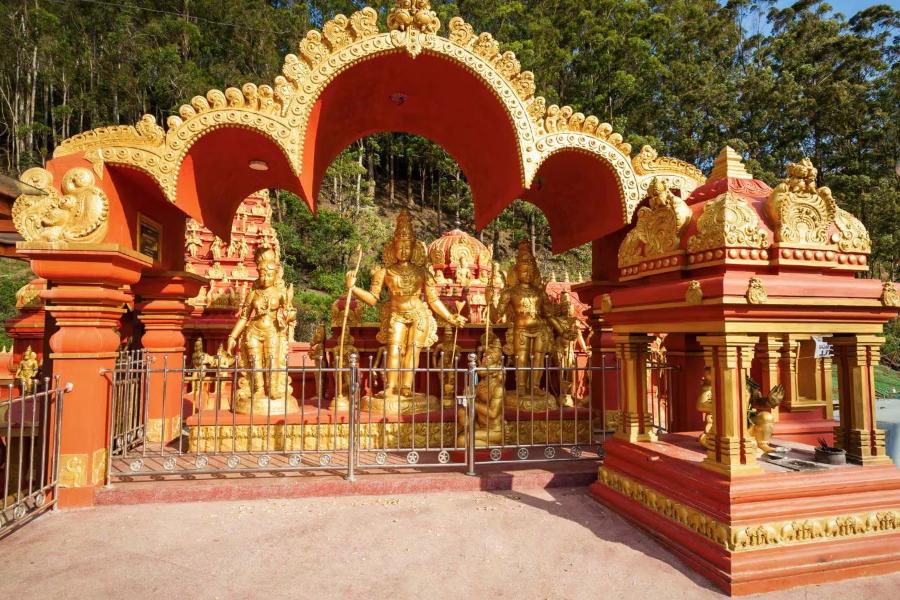
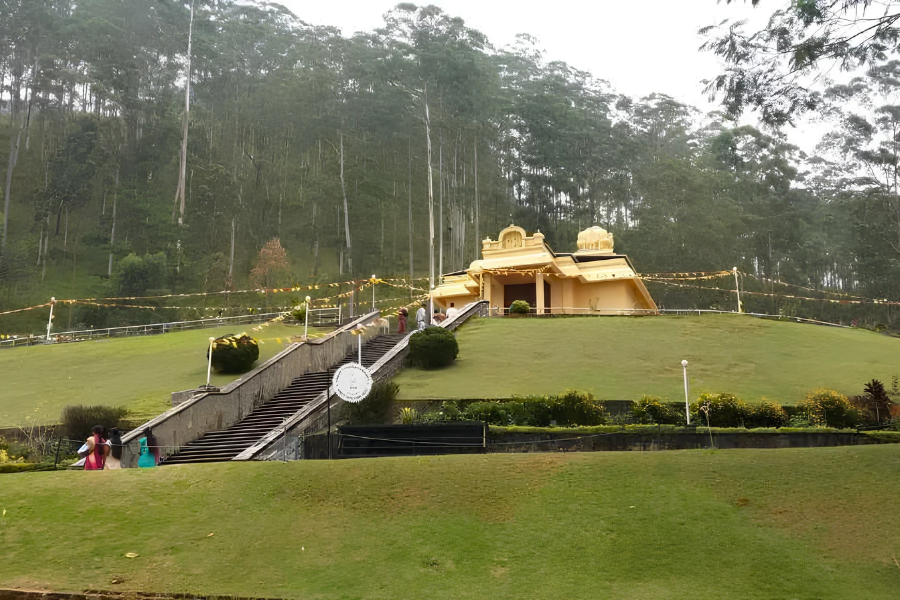
Seetha Amman Temple is one of the most significant destinations on the Sri Lanka Ramayana Trail. According to local tradition, this is the place where Goddess Sita stayed during her captivity in Lanka.
The temple is closely associated with Ashokavanam, the garden where Ravana is believed to have kept Sita after bringing her to Lanka.
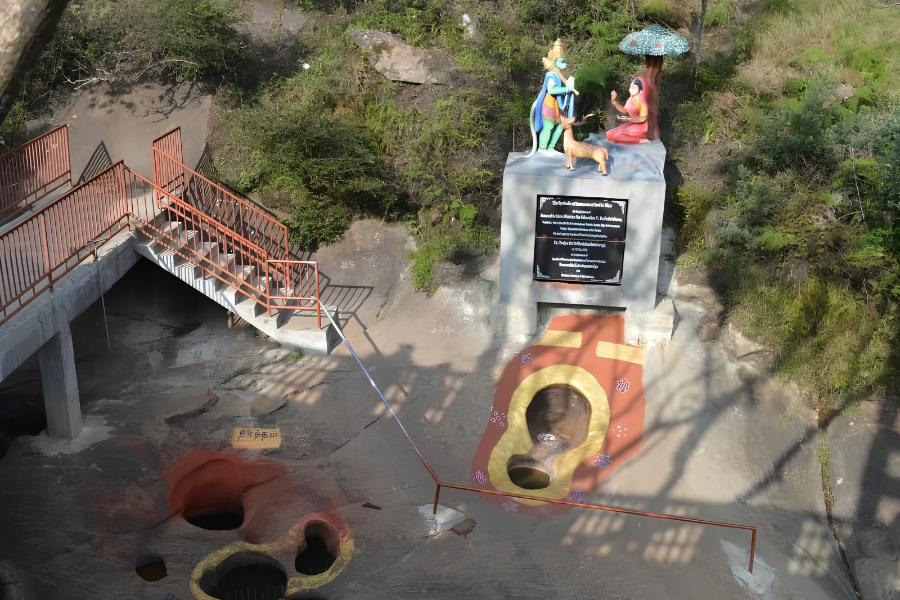
A small stream flows near the temple, traditionally believed to be a place where Sita bathed. Rocks nearby are also associated with footprints believed by devotees to belong to Lord Hanuman.
The temple today houses shrines dedicated to Lord Rama, Goddess Sita, Lord Lakshmana and Lord Hanuman.
What makes it special?
- A major pilgrimage destination associated with Goddess Sita
- A temple surrounded by scenic greenery
- Strong connections with the Ashokavanam episode of the Ramayana
Travel tip: Combine your visit with nearby Hakgala Botanical Garden and other Nuwara Eliya attractions.
Ashokavanam – The Garden Associated with Sita’s Captivity
Location: Near Nuwara Eliya
Ashokavanam is one of the most memorable locations in the Ramayana story. According to tradition, Ravana kept Goddess Sita in this beautiful garden after bringing her to Lanka.
It is here that Lord Hanuman is believed to have found Sita and delivered Lord Rama’s message to her, giving her hope of being reunited with her husband.
The Hakgala area near Nuwara Eliya is traditionally associated with Ashokavanam. Its cool climate, mountain surroundings and botanical beauty make it a popular stop for travellers exploring the Ramayana Trail.
What makes it special?
- Associated with an important episode involving Sita and Hanuman
- Surrounded by the scenic landscapes of Sri Lanka‘s hill country
- A meaningful destination for devotees interested in the Ramayana
Travel tip: Plan this visit along with Seetha Amman Temple for a convenient pilgrimage experience.
Sri Bhakta Hanuman Temple – Ramboda
Location: Ramboda, Central Province
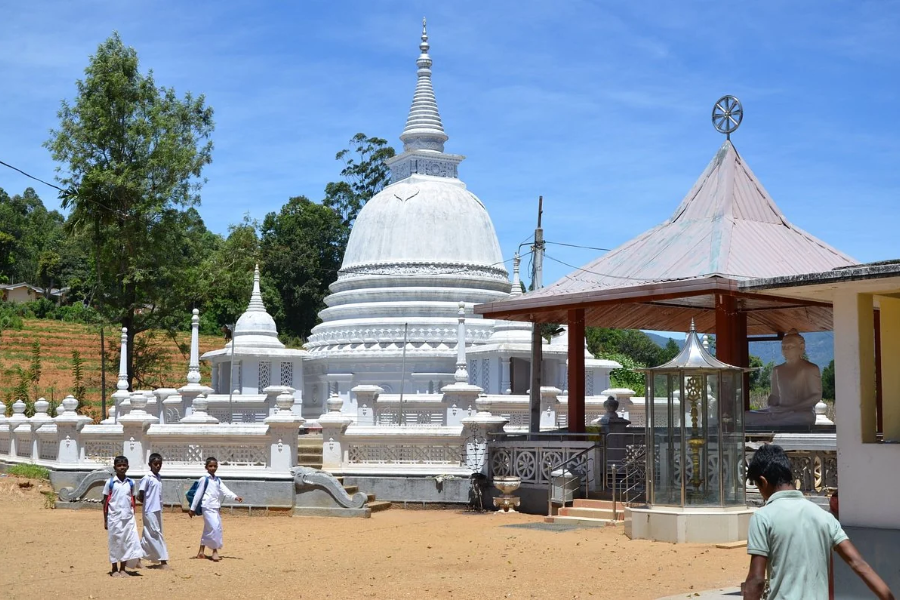
Dedicated to Lord Hanuman, Sri Bhakta Hanuman Temple is an important stop on the Ramayana Trail.
According to local tradition, the Ramboda hills are associated with the search for Goddess Sita. It is believed that Lord Hanuman visited this region while searching for her in Lanka.
The temple is known for its impressive Hanuman idol and peaceful hill-country surroundings. Its location amidst the mountains makes the visit particularly memorable.
What makes it special?
- Dedicated to Lord Hanuman, the devoted messenger of Lord Rama
- Associated with the search for Goddess Sita
- Offers beautiful views of Sri Lanka‘s mountainous landscape
Travel tip: Combine your temple visit with Ramboda Falls and nearby tea plantations.
Munneswaram Temple – The Sacred Shrine Associated with Lord Rama
Location: Chilaw, North Western Province
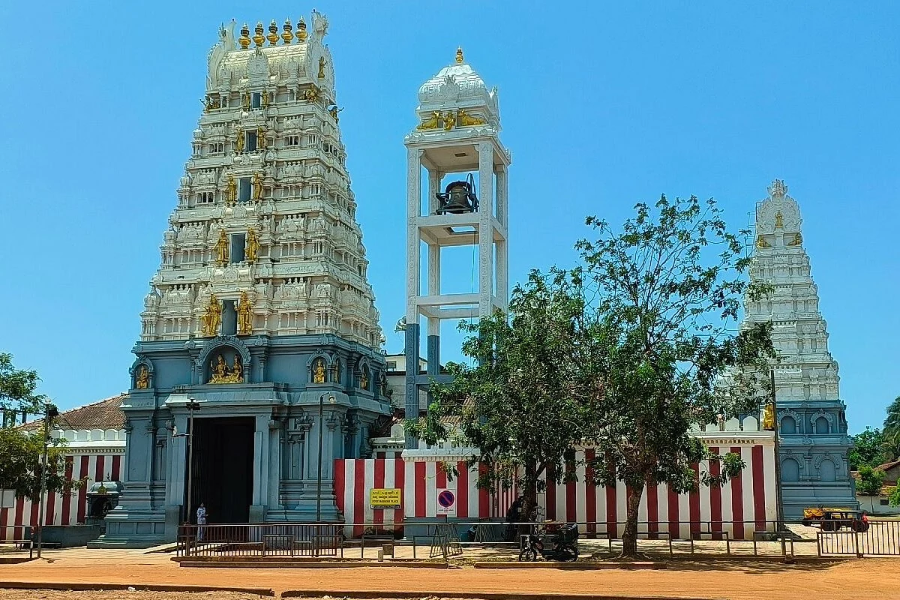
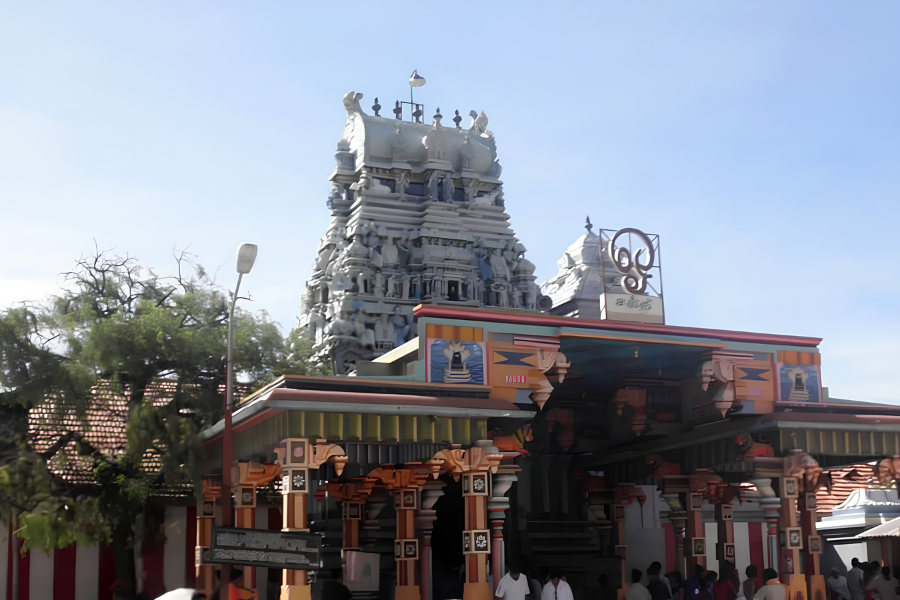
Munneswaram Temple is one of Sri Lanka’s important Hindu pilgrimage centres and is traditionally associated with Lord Rama.
According to local legend, after defeating Ravana, Lord Rama travelled back towards Ayodhya. He is believed to have stopped at this location and prayed to Lord Shiva for relief from Brahmahatya Dosha associated with the killing of Ravana, who was considered a Brahmin.
The temple is dedicated to Lord Shiva and attracts devotees throughout the year.
Its traditional rituals, religious significance and architectural features make it an important destination on the Ramayana pilgrimage route.
What makes it special?
- Associated with Lord Rama’s return journey after the battle
- An important Shiva temple in Sri Lanka
- A significant stop for Hindu pilgrims
Travel tip: Consider visiting Manavari Temple as well, as both destinations are closely connected in the traditional Ramayana pilgrimage.
Manavari Temple – The First Lingam Associated with Lord Rama
Location: Near Chilaw
Manavari Temple is another important destination associated with Lord Rama’s journey after the battle with Ravana.
According to tradition, Lord Rama installed and worshipped a Shiva Lingam at this location as part of the prayers advised by Lord Shiva.
The shrine is particularly significant because the lingam is traditionally known as Ramalingam.
Devotees consider this temple an important part of the spiritual journey connecting Sri Lanka’s Ramayana sites with Rameswaram in Tamil Nadu.
What makes it special?
- Traditionally associated with Lord Rama’s worship of Lord Shiva
- Home to the revered Ramalingam
- An important destination for pilgrims following the Sri Lanka Ramayana Trail
Travel tip: Visit Manavari and Munneswaram together, as they are geographically close to each other.
Thiru Koneswaram Temple – The Sacred Shiva Temple of Trincomalee
Location: Trincomalee, Eastern Province
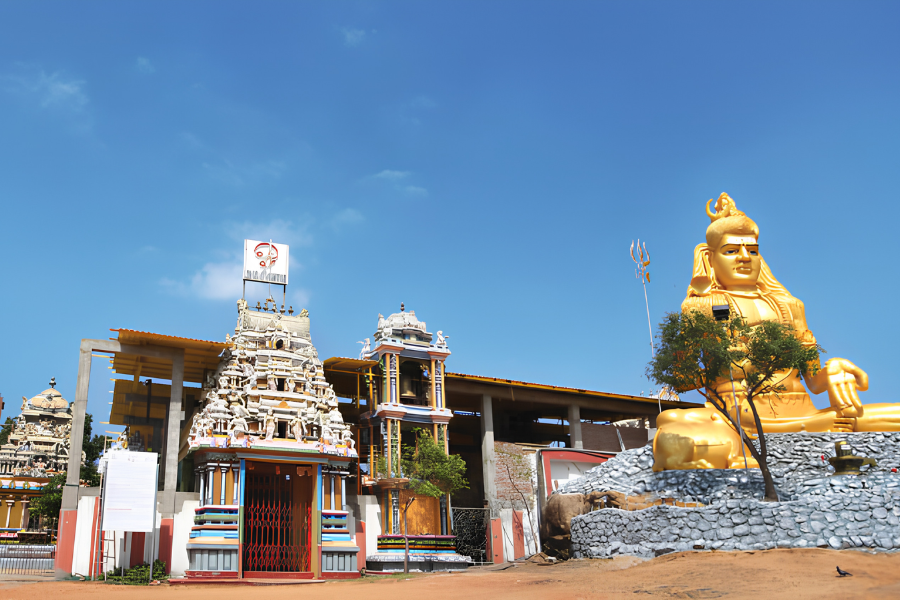
Thiru Koneswaram Temple, also known as Koneswaram Kovil, is one of Sri Lanka’s most revered Hindu temples.
Situated on Swami Rock overlooking the Indian Ocean, the temple is dedicated to Lord Shiva and is traditionally associated with King Ravana’s devotion to the deity.
Local religious traditions also connect the temple with Lord Rama’s prayers during his return journey.
Apart from its spiritual importance, the temple is famous for its coastal setting, making it one of the most visually striking religious destinations in Sri Lanka.
What makes it special?
- An important Shiva pilgrimage destination
- Traditionally associated with King Ravana and Lord Rama
- Beautiful ocean views from its elevated location
Travel tip: Allow sufficient time to explore the temple and enjoy the coastal scenery around Swami Rock.
Ravana Cave – Exploring the Legends of King Ravana
Location: Near Ella, Uva Province
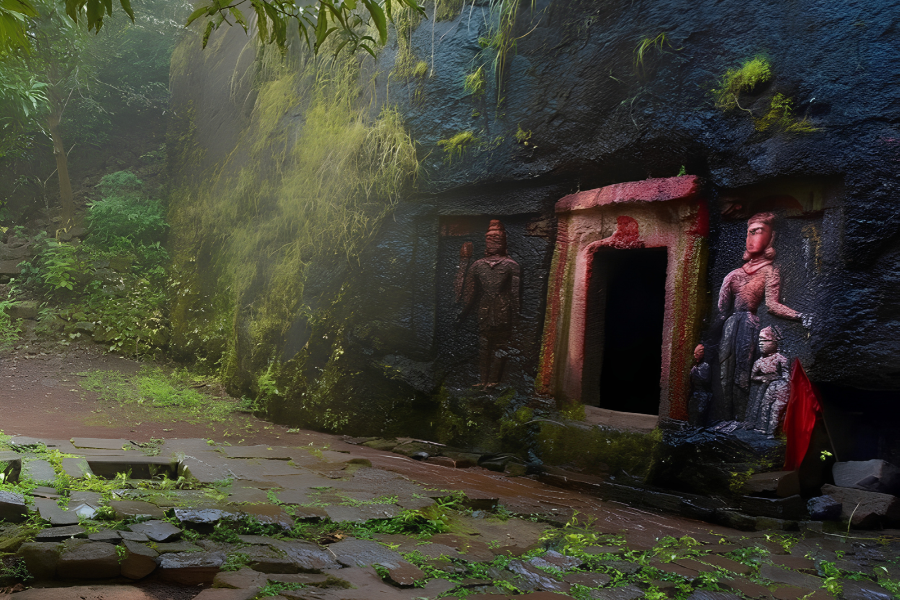
Ravana Cave is one of the most fascinating attractions on the Sri Lanka Ramayana Trail.
According to local legends, the cave is associated with King Ravana and is believed by some traditions to have been part of a network of underground passages connected to his kingdom.
Located in a mountainous area near Ella, the cave is reached by a trek involving steps and uneven pathways.
The surrounding landscape adds to its mysterious appeal, making it a popular destination among travellers interested in Ramayana stories and Sri Lankan heritage.
What makes it special?
- Associated with legends surrounding King Ravana
- Offers an adventurous trekking experience
- Surrounded by the beautiful mountain scenery of Ella
Travel tip: Wear comfortable walking shoes and carry drinking water. The climb can be physically demanding.
Ravana Falls – The Waterfall Connected with Ravana’s Legend
Location: Near Ella, Uva Province
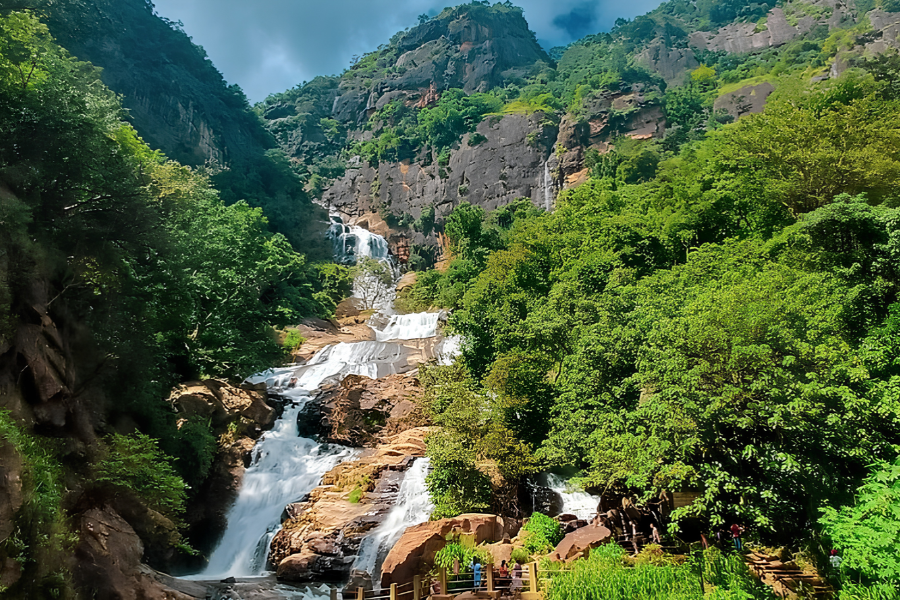
Ravana Falls is one of Sri Lanka’s well-known natural attractions and is associated with local legends surrounding King Ravana.
The waterfall is named after Ravana and is traditionally connected with stories about his kingdom and Goddess Sita.
Surrounded by green hills and rocky landscapes, Ravana Falls is a beautiful destination for travellers exploring Ella and the surrounding region.
What makes it special?
- A popular natural attraction associated with Ramayana folklore
- Picturesque surroundings and scenic mountain views
- An excellent addition to a spiritual and sightseeing itinerary
Travel tip: Visit during daylight hours and follow local safety instructions. Avoid climbing slippery rocks or entering unsafe water areas.
Divurumpola Temple – The Place Associated with Sita’s Agni Pariksha
Location: Near Welimada, Uva Province
Divurumpola Temple holds a significant place in local Ramayana traditions.
According to the traditional account, this is the location associated with Goddess Sita’s Agni Pariksha, the trial by fire undertaken to demonstrate her purity after her rescue.
The temple is visited by devotees and travellers interested in exploring the different places associated with Sita’s journey in Lanka.
The destination provides an opportunity to understand how the Ramayana continues to influence religious beliefs and cultural traditions in Sri Lanka.
What makes it special?
- Traditionally associated with Goddess Sita’s Agni Pariksha
- An important stop on the Ramayana pilgrimage route
- Offers insight into local religious traditions
Travel tip: Include Divurumpola while travelling between Nuwara Eliya and Ella, depending on your route.
Kelaniya Raja Maha Viharaya – The Temple Associated with Vibhishana
Location: Kelaniya, near Colombo
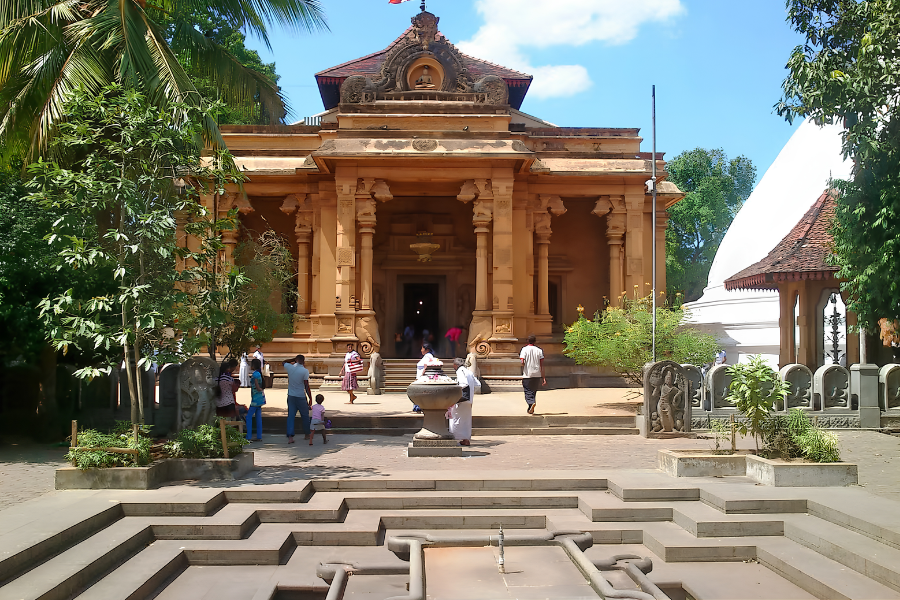
Kelaniya Raja Maha Viharaya is an important Buddhist temple traditionally associated with Vibhishana, the brother of Ravana who supported Lord Rama during the war.
According to local tradition, after Ravana’s defeat, Vibhishana was recognised as the ruler of Lanka, and Kelaniya is connected with his story.
The temple is particularly known for its beautiful murals, religious significance and traditional artwork.
Unlike the Hindu shrines on the Ramayana Trail, Kelaniya provides an opportunity to understand how different religious traditions and cultural narratives are connected with Sri Lanka’s heritage.
What makes it special?
- Traditionally associated with Vibhishana
- An important Buddhist pilgrimage destination
- Known for its historical and artistic significance
Travel tip: Visit Kelaniya as part of your Colombo sightseeing itinerary.
Other Interesting Places Associated with the Ramayana in Sri Lanka
Apart from the ten destinations mentioned above, several other locations are worth exploring if you want to experience a more extensive Ramayana pilgrimage.
Destination | Traditional association |
Gayathri Peedam | Associated with Meghanath’s worship of Lord Shiva |
Kanniya Hot Water Springs | Linked to a legend about King Ravana |
Ussangoda | Traditionally associated with the aftermath of Hanuman setting Lanka ablaze |
Sita Kotuwa | Believed to be an earlier location where Sita was kept |
Nagapooshani Amman Temple | An important sacred temple on Nainativu Island |
Thiruketheeswaram Temple | An ancient Shiva shrine included in Ramayana pilgrimage traditions |
Kataragama Temple | A significant multi-religious pilgrimage destination |
These locations add further depth to the Sri Lanka Ramayana Trail, allowing visitors to explore different stories and religious traditions.
What Is the Best Time to Visit the Sri Lanka Ramayana Trail?
Sri Lanka can be visited throughout the year, but the best travel period depends on the regions included in your itinerary.
For a multi-region Ramayana pilgrimage, consider the following:
- December to March: Generally favourable for exploring the western and southern regions, including Colombo and Chilaw
- April to September: Often suitable for exploring the eastern region, including Trincomalee, depending on local weather
- Hill country: Nuwara Eliya, Ramboda and Ella can experience rain and cooler temperatures throughout the year. Carry light woollen clothing and suitable rain protection
Since the Ramayana Trail covers different climatic regions, check the weather forecast and local travel conditions before departure.
How Many Days Are Required for the Sri Lanka Ramayana Trail?
A comprehensive Ramayana pilgrimage requires sufficient time because the sacred sites are spread across different parts of the island.
A journey of around 7 to 9 days can cover many of the prominent Ramayana destinations, depending on the route, travel pace and number of temples included.
For a comfortable experience, your itinerary should consider:
- Arrival and departure arrangements
- Temple darshan and pooja timings
- Road travel between different regions
- Accommodation and meal arrangements
- Time for sightseeing and rest
- Additional visits to Buddhist and cultural heritage destinations
If you are travelling with senior citizens or family members, avoid an overly packed schedule.
Travel Tips for Planning Your Sri Lanka Ramayana Yathra
A little preparation can make your spiritual journey more comfortable and enjoyable.
- Keep your travel documents ready: Check passport validity, visa requirements and entry conditions before departure
- Follow temple customs: Dress modestly and respect the footwear, photography and worship guidelines at each temple
- Carry suitable clothing: Sri Lanka has coastal, tropical and cooler hill-country climates. Pack accordingly
- Plan your transportation: The temples are spread across the island, so consider journey durations and road conditions
- Carry local currency: Keep some Sri Lankan rupees for small purchases and personal expenses
- Prepare for walking: Certain locations, including Ravana Cave and some remote heritage sites, require walking or trekking
- Confirm temple timings: Check opening hours, special poojas and festival schedules before visiting
- Choose a well-planned tour: A guided pilgrimage package can simplify transportation, accommodation and coordination across multiple destinations
Experience the Sri Lanka Ramayana Trail with Travel Times
Exploring the sacred destinations associated with the Ramayana is a journey that brings together devotion, heritage and discovery.
From the sacred Seetha Amman Temple and Ashokavanam to the ancient shrines of Munneswaram and Koneswaram, every destination offers a different perspective on the epic’s enduring legacy.
Planning this journey independently can involve coordinating international flights, hotel stays, local transportation, temple visits and sightseeing across several regions.
To make the experience more convenient, Travel Times offers a dedicated Sri Lanka Ramayana Yathra – 9 Days / 8 Nights, covering more than 20 sacred Ramayana sites and other significant cultural destinations.
Highlights of the Travel Times Sri Lanka Ramayana Yathra
- Explore sacred temples and places associated with Lord Rama, Goddess Sita, Lord Hanuman and King Ravana
- Visit Manavari and Munneswaram temples
- Experience the spiritual heritage of Jaffna and Nainativu Island
- Explore Trincomalee’s Koneswaram Temple and Shankari Devi Shakti Peetham
- Visit the Sri Bhakta Hanuman Temple at Ramboda
- Discover Seetha Amman Temple, Ashokavanam and Ravana-related sites
- Experience the spiritual atmosphere of Kataragama
- Explore Buddhist heritage sites, including the Sri Maha Bodhi Tree
The published package includes Chennai return airfare, visa, three-star hotel accommodation, meals as specified, selected entrance tickets and air-conditioned transfers with an English-speaking national guide. Certain sightseeing entrance fees and personal expenses are excluded, so check the complete package details before booking.
Ready to follow the legendary footsteps of the Ramayana?
Explore the Sri Lanka Ramayana Yatra by Travel Times and discover the sacred places, cultural heritage and beautiful landscapes of Sri Lanka.
For itinerary details, departure information and booking enquiries, connect with the Travel Times team.
Call us today: +91 89565 00600
Write to us: bookings@traveltimes.in
Travel Times – More than a journey. An experience to cherish.
Want us to call you?

45+ yrs
Experience

350k+
Clients

250+
Destinations

10k+
Tours
Explore Our Trips